7 Best Puppy Teething Toys for Healthy Chewing?
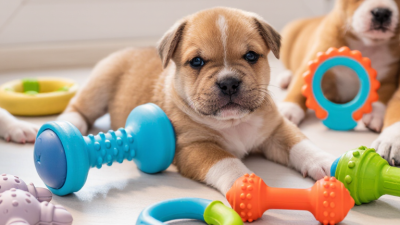
Puppy teething can turn a quiet living room into a trail of shredded slippers, wooden legs, and tiny white tooth marks. Between three and six months, many puppies chew more intensely as baby teeth loosen and adult teeth emerge. The right Puppy Teething Toys can redirect that pressure safely while supporting early training. However, no single toy suits every puppy.
Dr. Mary Burch, a certified applied animal behaviorist, explains, “Chewing is a normal and necessary behavior for puppies.” That simple point matters. Chewing is not always misbehavior. It can relieve gum discomfort, reduce boredom, and provide useful mental stimulation. Still, owners must inspect toys regularly. A cracked rubber edge, loose thread, or missing piece can become a serious hazard.
This guide examines seven Puppy Teething Toys for healthy chewing, comfort, durability, and supervised play. We consider material, texture, size, cleaning, and the puppy’s chewing strength. A soft puppy may prefer a flexible rubber toy with gentle ridges. A determined chewer may need a tougher design, but even durable products are not indestructible. Check the toy often.
Small details matter. A chilled toy may soothe sore gums. A treat-filled toy can keep a puppy focused for several minutes. Yet product labels cannot predict every dog’s behavior. Puppies chew differently. Some lose interest quickly. Others test every seam.
The best choice is practical, washable, and correctly sized. It should encourage healthy chewing without replacing supervision, training, or veterinary advice. There is room for trial and error. That is normal.
Why Puppies Teethe and How Chewing Supports Healthy Development
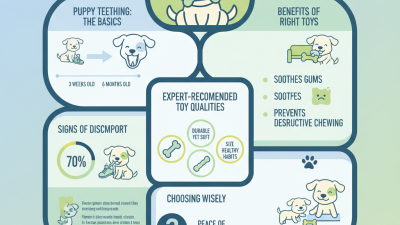
Puppies usually begin losing baby teeth at about three to four months.
Their gums may feel tender, so chewing provides pressure and relief. It also strengthens jaw muscles and supports normal mouth development.
Chewing is not only a teething habit. It helps puppies explore textures, release tension, and practice controlled biting.
The seven most useful teething options include:
- a flexible rubber toy
- a textured cooling ring
- a freezer-safe chew
- a sturdy rope toy
- a food-stuffable puzzle
- a soft rubber ball
- and a durable fabric toy
Each offers a different experience. Cold toys can soothe swollen gums, while textured surfaces gently massage them. Puzzle toys add mental work. Rope toys can support supervised tug play, but loose threads need immediate removal.
Choose a toy larger than your puppy’s throat and avoid extremely hard materials that may fracture teeth. Veterinary dental professionals commonly recommend toys with some flexibility, especially during active teething.
Check every toy before and after use. Small cracks, missing pieces, or stretched fibers make it unsafe. A “durable” label is not a safety guarantee.
Puppies chew differently, and I think owners sometimes trust product claims too quickly. Supervision remains essential, particularly with aggressive chewers.
If chewing causes bleeding, persistent pain, or refusal to eat, a veterinarian should examine the mouth.
How to Choose Safe and Effective Puppy Teething Toys
7 Best Puppy Teething Toys for Healthy Chewing
How to Choose Safe and Effective Puppy Teething Toys
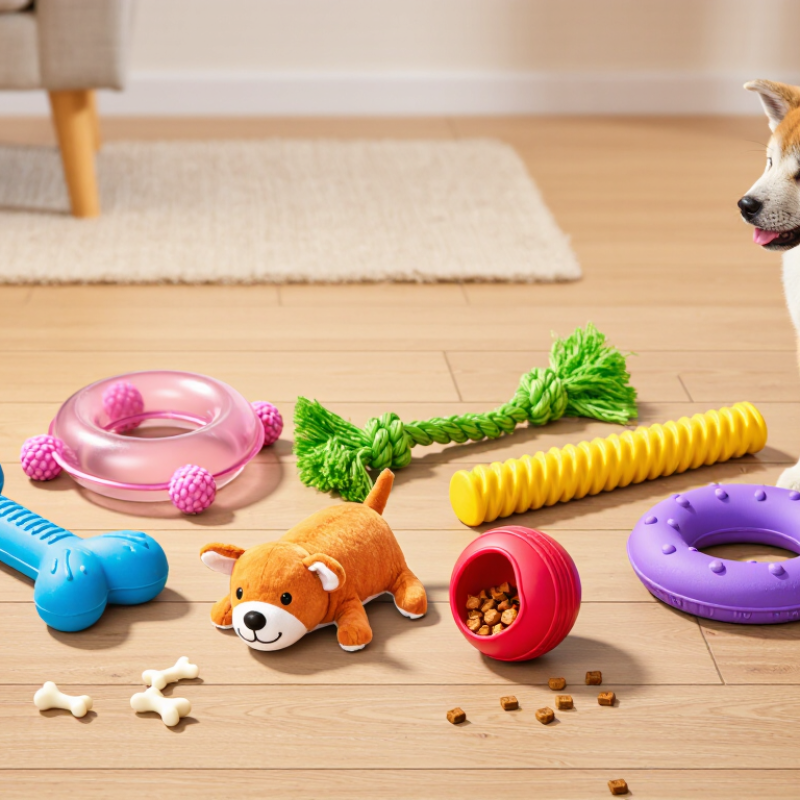
Puppies chew to explore, soothe sore gums, and strengthen jaw muscles. The safest toy is not always the hardest one. Choose a size that cannot fit completely inside your puppy’s mouth. Flexible rubber, textured nylon, rope, cooling, treat-dispensing, plush, and edible chew toys can all serve different needs. However, each option requires careful inspection.
Press the toy gently with your fingernail. If it feels rock-hard, it may damage developing teeth. A washable, flexible toy with raised ridges can massage gums and hold a small amount of food. Chilled toys may reduce discomfort, but avoid freezing them until they become brittle. Rope toys should have tight knots and no loose threads. Plush toys need frequent checking, especially after stuffing appears.
Supervision matters more than packaging claims. Watch how your puppy chews. Does the toy break into pieces, shed fibers, or become small enough to swallow? Remove it immediately if the answer is yes. Replace damaged toys rather than trimming them and hoping they remain safe. I once underestimated how quickly a determined puppy could destroy a soft toy. That mistake changed my routine. Now, I inspect toys before each use and rotate them to reduce boredom. Veterinary guidance can help when chewing seems painful, excessive, or linked with bleeding gums. A toy that keeps a puppy busy may still be unsuitable for that individual.
Seven Best Puppy Teething Toys for Different Chewing Needs
Seven Best Puppy Teething Toys for Different Chewing Needs
Puppies chew for comfort, exploration, and developing jaw control. A suitable toy should bend slightly, fit the puppy’s mouth, and contain no loose parts.
For gentle chewers, a soft silicone teething ring offers ridges for sore gums.
A chilled, freezable rubber toy can reduce discomfort during intense teething days.
Choose a textured rubber bone for puppies that enjoy steady gnawing. It should not feel harder than a fingernail. Hard objects may damage immature teeth.
A treat-dispensing toy suits food-motivated puppies and adds short mental challenges. Use small portions to prevent stomach upset.
For energetic chewers, a durable rubber ball encourages active play, but avoid throwing it on hard surfaces.
A supervised cotton rope toy supports tugging and may massage the gums, although swallowed fibers create a real hazard. Inspect it often.
A soft plush teething toy fits puppies who prefer gentle mouthing, but it needs immediate removal after tearing.
The seventh option is a puppy-safe dental brush toy, which combines chewing with early mouth-care practice. Rotate two or three toys daily rather than offering all seven at once.
I once underestimated how quickly a determined puppy could damage a “durable” toy. That mistake matters.
Check seams, cracks, missing pieces, and sharp edges before every session. Replace damaged toys promptly, and ask a veterinarian when chewing becomes painful, obsessive, or linked with bleeding.
How to Introduce and Rotate Teething Toys Safely
A puppy should meet a teething toy during a calm moment, not after biting furniture. Choose a toy larger than the puppy’s mouth. It should bend slightly but resist tearing. Avoid loose parts, sharp edges, and materials that splinter. A veterinarian can help match the toy to your puppy’s age, size, and chewing strength.
Let your puppy sniff the toy first. Rub it with a little wet food if interest is low. Keep the first session short, perhaps five minutes, and supervise closely. Praise gentle chewing with a quiet voice. Never force the toy into the mouth. Remove it if your puppy bites pieces off, coughs, or guards it intensely. Check the toy after every session. Tiny cracks can become dangerous surprisingly fast.
Rotation keeps chewing interesting without flooding the puppy with options. Keep two or three suitable toys available, then store the others in a clean, dry container. Change them every day or two. Wash each toy according to its material, and dry it fully before reuse. Soft toys may need more frequent inspection than rubber ones. I once underestimated how quickly a determined puppy could damage a new toy. That mistake changed my routine: I now inspect seams and edges under bright light. If chewing suddenly becomes painful, appetite drops, or gums bleed heavily, pause the toys and contact a veterinary professional.
7 Best Puppy Teething Toys for Healthy Chewing
How to introduce and rotate teething toys safely
The chart uses a five-point editorial safety rubric based on common puppy-chewing guidance: softer gum feel, easy inspection, enrichment value, and suitability for supervised use. Start with one toy, watch your puppy chew, remove damaged items, and rotate clean toys rather than offering every option at once. Avoid toys that are small enough to swallow or hard enough to risk tooth damage.
When to Replace a Toy or Consult a Veterinarian
Puppies chew to relieve sore gums, explore their surroundings, and practice bite control. Seven useful options include soft rubber rings, textured rubber bones, flexible teething sticks, puppy-safe cooling toys, durable treat-dispensing toys, knotted cotton ropes, and washable plush toys. Choose a toy larger than your puppy’s throat, with no sharp edges or detachable pieces. Supervision matters, especially with ropes and plush toys.
A toy needs replacement when it shows deep cracks, loose threads, missing chunks, or a strong unusual odor. Do not wait until the damage looks severe. Small fragments can become choking hazards or cause intestinal problems. I would not trust a durability label alone. Chewing strength differs greatly between puppies, even within one litter. Inspect each toy before and after use, and remove it immediately if the material becomes brittle, sticky, or too small.
Tips:
Keep several toys available and rotate them every few days. Refrigerate suitable rubber toys, but never freeze them until rock-hard. Contact a veterinarian if bleeding continues, gums become swollen, a tooth looks broken, or your puppy stops eating. Repeated vomiting, gagging, heavy drooling, or sudden lethargy also requires prompt advice. A short video of the chewing behavior may help your veterinarian assess the problem.