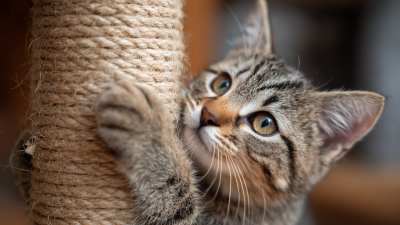
Choosing the right Cat Toys is less about buying the brightest object and more about understanding your cat’s natural behavior. A confident Bengal may chase a feather wand across the room, while a cautious rescue cat may prefer a quiet fabric mouse near the sofa. Age, energy level, body size, and hunting style all matter. Even siblings can have completely different preferences.
This guide explores practical options for playful kittens, senior cats, indoor climbers, food-motivated cats, and easily bored companions. Veterinary behaviorists and animal-welfare professionals commonly encourage toys that support stalking, chasing, pouncing, climbing, and problem-solving. These activities can provide exercise and mental stimulation when used safely. A crinkly tunnel may become a favorite hiding place. A treat puzzle can turn an ordinary afternoon into a careful investigation.
Small details matter. Check loose strings, damaged plastic, sharp edges, and detachable parts regularly. Supervise wand play, then store the toy afterward. Some cats lose interest quickly, and that is normal. Rotation often works better than leaving every toy on the floor. Still, no recommendation fits every household perfectly. A toy praised by many owners may frighten another cat or simply gather dust.
The best choice often emerges through patient observation. Notice what your cat watches, carries, bats, or ignores. This article compares Cat Toys by personality and play style, helping you choose thoughtfully rather than impulsively. Expect a few surprises. Your cat may reject the expensive toy and prefer a cardboard box.
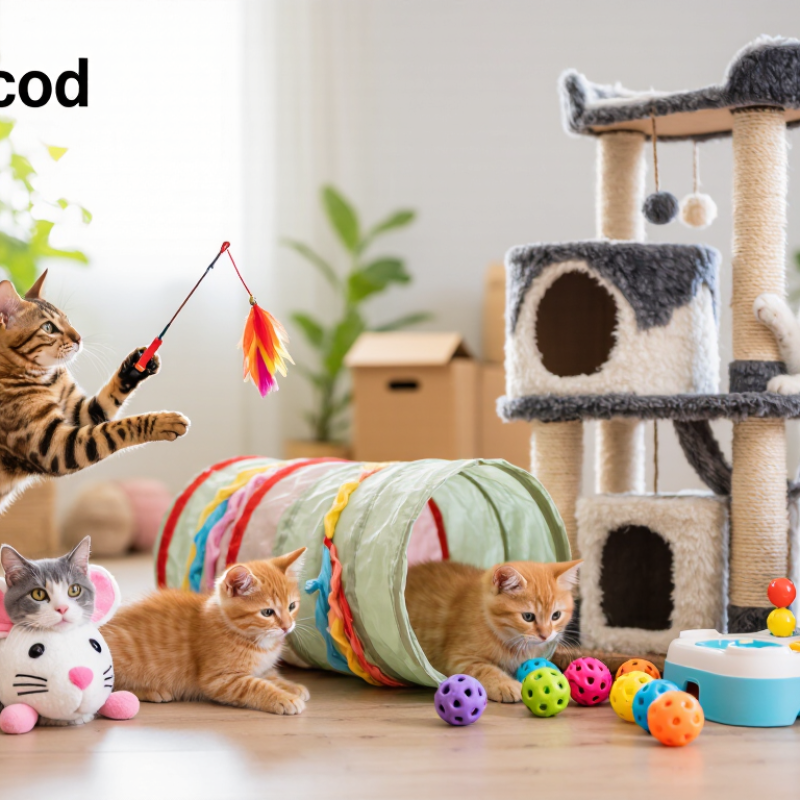
Cats do not all play for the same reason. A young, energetic cat may chase a feather wand across the hallway, while a cautious adult may prefer a soft toy hidden beneath a blanket. Watch the movement first. Does your cat stalk, pounce, wrestle, or bat objects from a shelf? These behaviors reveal more than age alone.
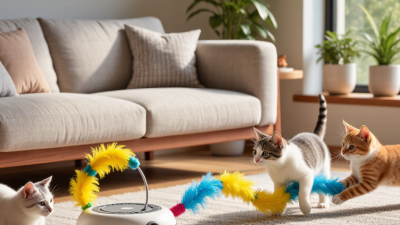
For a hunter, choose toys that dart, pause, and change direction. Wand toys can imitate fleeing prey and encourage short bursts of exercise. A small rolling ball may suit a cat that enjoys chasing sounds across the floor. Puzzle feeders help food-motivated cats search, paw, and solve simple problems. Some cats prefer quiet prey-like toys, such as fabric mice, especially during evening play. Keep fingers away from biting games. Hands can become confusing targets.
Texture matters too. Cats may favor crinkly fabric, rough surfaces, or smooth plastic, but preferences can change. My own observations suggest that a toy ignored for days may suddenly become interesting after being moved. Still, I sometimes overestimate novelty. A cardboard box can defeat an expensive-looking toy in seconds. Rotate a few safe options, inspect loose parts, and remove damaged toys. Supervised play is important when strings, feathers, or small pieces are involved. Let the cat catch the toy occasionally; endless frustration can reduce interest. Observe, adjust, and accept that the cat may choose differently tomorrow.
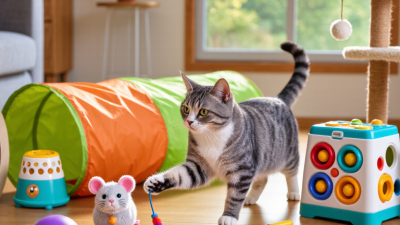
Choosing a cat toy starts with temperament, not packaging. Energetic hunters often need wand toys that support stalking, pouncing, and retreat. Use short sessions, then let the cat catch the toy. Rotate options every few days. Shy cats may prefer quiet fabric mice, tunnels, or toys moved slowly across the floor. Older cats usually need low-impact rolling toys and fewer jumping demands. Watch their gait and breathing. AAFP and ISFM feline guidelines connect play with natural predatory behaviors and better environmental enrichment. The match is not always obvious. A clever puzzle can frustrate a cautious cat.
APPA’s 2023–2024 National Pet Owners Survey estimated 46.5 million U.S. households owned cats. That figure supports individual matching rather than one universal bestseller. Food-motivated indoor cats may enjoy puzzle feeders using part of their daily ration. Social cats often respond well to interactive chase games and predictable play times. Solitary cats may prefer kicker toys or sturdy balls. Observe the details: Do they stalk, bat, hide, or walk away? Their response is useful evidence, though not perfect.
Tips: Keep loose strings, ribbons, and detachable pieces supervised. Inspect seams weekly. Replace damaged toys promptly. For senior cats, place toys on rugs instead of slippery floors. Offer choice, not pressure. A toy can fail simply because its movement feels too loud, fast, or unfamiliar.
Kittens need toys that support curiosity without creating swallowing risks. Choose soft, lightweight toys with securely attached parts. Avoid loose feathers, long strings, and small pieces during unsupervised play. A wand toy can encourage chasing, but an adult should control it and store it afterward. Inspect seams daily. Tiny teeth can cause surprising damage.
Adult cats usually benefit from variety and movement. Rotate lightweight balls, puzzle feeders, and sturdy chase toys to prevent boredom. Toys should imitate natural behaviors, such as stalking, pouncing, and batting. Leave enough space for safe jumping, especially near furniture corners. I have learned that a toy does not need to be expensive. A simple paper ball can provide excellent exercise, although it must stay clean and intact.
Senior cats often need gentler choices. Select soft toys, low-entry tunnels, and slow-moving objects that do not demand sharp turns. Avoid slippery surfaces and high jumps, particularly for cats with stiff joints. Monitor breathing, posture, and interest during play. Stop when movement becomes hesitant. I sometimes encouraged play for too long, assuming more activity was better. That was not careful enough. A veterinarian can recommend safer exercise when pain, weakness, or unusual fatigue appears. Every toy deserves regular inspection, because age changes quickly and yesterday’s safe choice may become unsuitable today.
What Are the Top Cat Toys for Every Type of Cat?
Indoor cats need opportunities to stalk, chase, catch, and investigate. The AAFP/ISFM environmental-needs guidelines identify predatory behavior as an essential feline activity. A wand toy can copy quick prey movement across a rug, while a puzzle feeder turns dinner into a searching game. APPA’s 2024 National Pet Owners Survey estimates that 49.6 million U.S. households own cats, making enrichment relevant for many indoor homes. However, one toy rarely suits every personality.
For active hunters, choose toys that move unpredictably, pause behind furniture, and allow a final “capture.” Rotate them every few days. For cautious cats, begin with a soft lure and slow movements near a quiet doorway. Food-motivated cats may prefer treat puzzles, but portions should come from their daily meal allowance. Short sessions work better than forced play. Five to ten minutes can be enough. Supervise strings, feathers, and detachable parts, and remove damaged toys immediately. A 2024 feline welfare survey from a major veterinary charity reported that many owners underestimate how much stimulation indoor cats need; I have made that mistake too. I once bought a noisy electronic toy that frightened a timid cat. The better choice was simpler: a cardboard tunnel, a paper ball, and patient timing. Some cats ignore expensive-looking toys. Their judgment is inconvenient, but useful.
| Cat Type | Recommended Toy Category | Example Toy Design | Primary Interaction | Main Benefits | Recommended Play Pattern | Safety Considerations | Suitability Rating |
|---|---|---|---|---|---|---|---|
| Indoor and Low-Activity Cats | Motion-activated electronic toys | Slow-moving rolling toy with variable direction | Chasing and tracking | Encourages movement, reduces boredom, and adds variety to a predictable indoor environment. | Use for 10–15 minutes, one or two times daily; rotate with other toys to maintain interest. | Choose a sturdy toy with no loose battery cover or detachable parts. Remove it if the casing cracks. | ★★★★★ |
| Active Hunters | Wand and teaser toys | Feather or fabric lure attached to a flexible wand | Stalking, pouncing, and catching | Provides a natural hunting sequence and allows the cat to sprint, jump, and change direction. | Use short sessions of 5–15 minutes. Move the lure like prey and finish by allowing the cat to catch it. | Always supervise. Store the toy after play because strings, ribbons, and feathers can be swallowed. | ★★★★★ |
| Food-Motivated Cats | Food puzzles and treat dispensers | Adjustable puzzle feeder with compartments or sliding sections | Batting, pawing, and problem-solving | Combines mental stimulation with slower eating and can make part of a daily meal more engaging. | Begin with an easy setting, then increase difficulty gradually as the cat learns the mechanism. | Use measured portions to avoid excess calories. Clean food-contact surfaces regularly. | ★★★★★ |
| Kittens | Lightweight chase and batting toys | Soft balls, crinkle balls, or large fabric toys | Batting, chasing, and coordination practice | Supports developing balance, motor skills, curiosity, and confidence during short bursts of play. | Offer several brief sessions throughout the day, with toys that are easy for small paws to move. | Avoid small parts, long unattended strings, sharp edges, and toys small enough to swallow. | ★★★★★ |
| Senior Cats | Low-impact interactive toys | Soft rolling toy or floor-level teaser with slow movement | Gentle tracking, batting, and sniffing | Maintains interest and mobility without requiring high jumps or rapid changes in direction. | Use calm 5–10 minute sessions on a non-slip surface; stop if the cat shows fatigue or discomfort. | Avoid slippery floors and high jumps. Consult a veterinarian if movement appears painful or unusually restricted. | ★★★★☆ |
| Cats That Enjoy Solitary Play | Independent batting toys | Weighted base with a spring, pom-pom, or suspended object | Batting and repeated rebound play | Allows a cat to initiate play independently and provides stimulation between human-led sessions. | Leave out only when the toy is intact; rotate the toy every few days to prevent habituation. | Inspect springs, elastic components, and attachments frequently. Remove damaged toys immediately. | ★★★★☆ |
| Curious and Exploratory Cats | Tunnels and activity centers | Collapsible tunnel with openings, textures, or hanging elements | Hiding, ambushing, exploring, and pouncing | Creates a safe outlet for exploration and can encourage movement in cats that prefer cover. | Place the tunnel in an open area and combine it with a toy that can be dragged past the entrances. | Check for exposed wires, torn fabric, and unstable frames. Keep exits unobstructed. | ★★★★☆ |
| Indoor Cats With Scratching Needs | Scratching and play combination toys | Stable scratching surface with a rolling ball or attached play element | Scratching, stretching, batting, and climbing | Supports normal claw maintenance, muscle stretching, and active play while protecting household furniture. | Place near sleeping areas or furniture the cat already scratches; reward appropriate use. | The base should not wobble or tip. Replace heavily worn scratching material when it becomes unsafe. | ★★★★★ |
| Cats That Lose Interest Quickly | Rotating toy collection | A mix of wand toys, balls, puzzles, and tunnels used on a schedule | Varied chasing, searching, and problem-solving | Prevents overfamiliarity and gives the cat different physical and mental challenges throughout the week. | Keep only a few toys available at once and rotate them every several days. | Inspect every toy during rotation. Do not leave interactive toys with strings or small detachable pieces unattended. | ★★★★★ |
| Cats Motivated by Scent | Catnip or scent-based enrichment toys | Durable stuffed toy or scent-infused fabric toy | Sniffing, rubbing, kicking, and carrying | Adds sensory enrichment and may encourage play in cats that respond strongly to new scents. | Offer occasionally and store between sessions to preserve novelty; individual responses vary. | Use only intact toys and avoid heavily scented products that irritate the cat. Stop use if the cat shows discomfort. | ★★★☆☆ |
What Are the Top Cat Toys for Every Type of Cat?
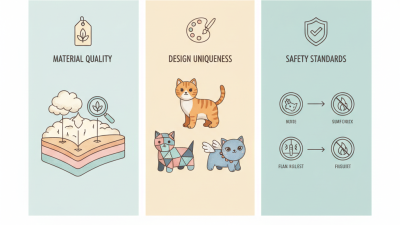
The best cat toy depends on material, movement, durability, and cleaning effort. APPA’s 2023–2024 National Pet Owners Survey reports about 46.5 million U.S. cat-owning households. That scale makes safety and maintenance important, not decorative. For active cats, choose tightly stitched fabric, strong seams, and replaceable parts. For cautious cats, soft felt or lightweight paper can feel less threatening. Rubber-like materials should be firm, odor-free, and free from loose flakes. Avoid toys with small detachable pieces. A curious cat can remove them quickly.
Cleaning is often overlooked. Washable fabric toys should tolerate warm water without losing shape. Hard plastic or silicone-style toys are easier to wipe, but grooves can trap saliva and dust. The AAFP and ISFM Feline Environmental Needs Guidelines recommend regular interactive play and safe environmental enrichment. Rotate several toys instead of leaving everything on the floor. This reduces boredom and gives worn items a clearer inspection schedule. My testing method is not perfect; a toy that survives one energetic cat may fail with a persistent chewer.
Tips: Check seams weekly. Remove broken feathers immediately. Air-dry fabric completely before reuse. Use a simple three-point check: safe material, secure parts, easy cleaning. If a toy smells strongly after washing, replace it. Also, observe the cat, not just the product. Some cats ignore expensive-looking toys and choose a crumpled paper ball.
Comparative ratings are based on common toy characteristics: material safety, useful features, expected durability, and ease of cleaning. Ratings use a 1–5 scale, where 5 is the strongest performance.
Interactive toys suit active cats, wand toys encourage human-guided play, puzzle toys support food-motivated cats, scratchers meet natural scratching needs, and soft toys are suitable for gentle solo play. Inspect toys regularly and remove damaged parts.