Ultimate Tips for Choosing an Automatic Ball Thrower?
Choosing the right Automatic Ball Thrower can be a game-changer for dog owners. Dr. Emily Johnson, a leading expert in canine behavior, once said, "A good ball thrower can enhance your dog's playtime experience." This insight highlights the importance of selecting the right equipment for your furry friend.
When exploring options, consider factors like distance, material, and safety features. Some machines offer adjustable settings for various types of throws. Others prioritize durability to withstand enthusiastic dogs. However, not all throwers are created equal, and some may frustrate both you and your pet. Pay close attention to customer reviews to avoid potential pitfalls.
Reflecting on user experiences reveals that ease of use matters. If an Automatic Ball Thrower is complicated, you might not use it. A reliable device should be simple and fun. Perfecting your choice requires thinking about your dog's needs, but it’s also about finding your own comfort level with the device. Keep in mind, it’s okay to have doubts; the right thrower should feel intuitive over time.
Understanding the Benefits of an Automatic Ball Thrower for Dogs
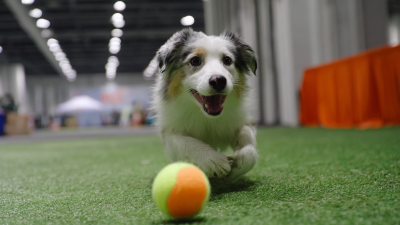
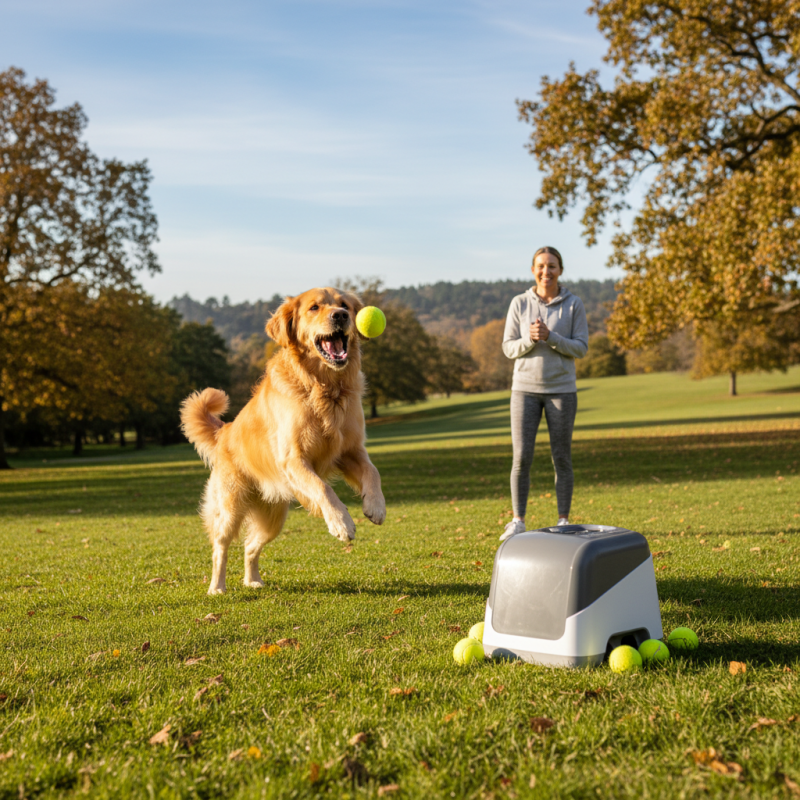
Automatic ball throwers provide numerous benefits for dogs and their owners. According to a recent report from the American Kennel Club, regular exercise is crucial for a dog's health. Over 50% of pet owners say their dogs do not get enough exercise. This is where an automatic ball thrower comes in. It engages dogs, encouraging physical activity when their owners are busy.
These devices are designed to throw balls automatically, allowing dogs to play independently. Research shows that active dogs are happier and healthier. Studies indicate that running for just 30 minutes a day can significantly reduce anxiety in pets. An automatic ball thrower can easily assist with this, keeping a dog entertained.
However, it's not all perfect. Some dogs may become overly excited or frustrated if they can't catch the ball. Training is essential to ensure a positive experience. Owners must monitor their pets and gradually increase the throwing distance. This prevents injury and helps maintain a joyful playtime. Additionally, some throwers may require frequent reloading, which can interrupt play. Balancing convenience and engagement is crucial for maximizing the benefits of these devices.
Key Features to Look for in an Automatic Ball Thrower
When choosing an automatic ball thrower, you should consider its key features. A good thrower will have adjustable distances. This allows you to set the range based on your dog's size and energy level. Some machines might only throw short distances, which can be limiting. A model with multiple settings offers more versatility.
Another important feature is the speed settings. Different dogs play at different speeds. If your pet is older or has health issues, a slower speed may be more appropriate. On the flip side, active dogs might need a fast throw for excitement. Look for a product that accommodates both.
Durability matters too. The materials used can greatly affect the lifespan. You want something that withstands rough play. Some throwers may look sturdy but may break easily. Test the product if possible. Be cautious about overly complex designs; simplicity can lead to easier maintenance. A thoughtful selection based on these features can enhance your pet’s playtime.
Ultimate Tips for Choosing an Automatic Ball Thrower
Comparing Different Types of Automatic Ball Throwers
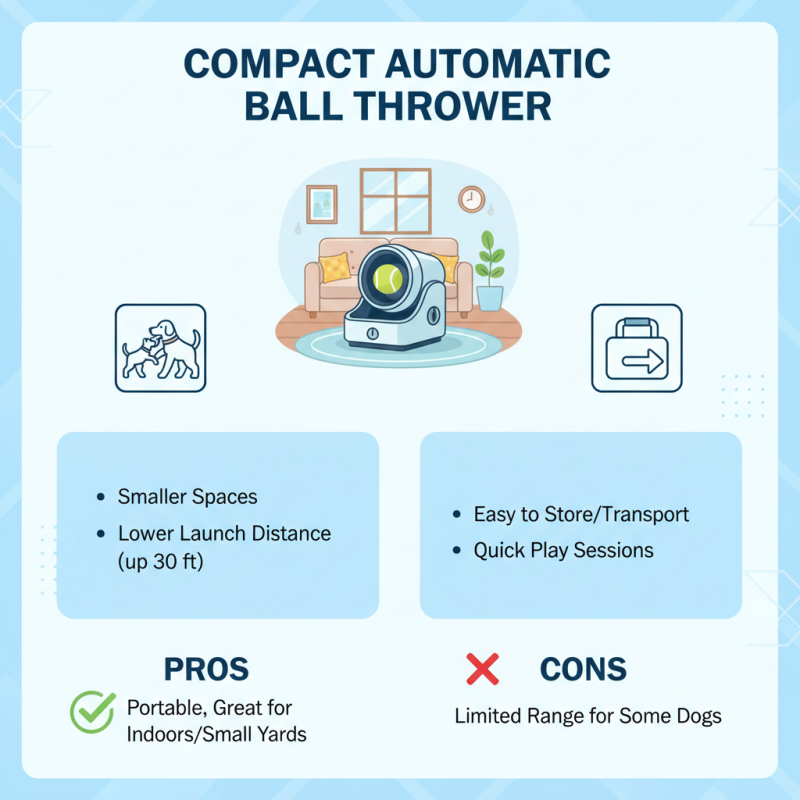
When choosing an automatic ball thrower, it’s essential to compare different types available. One popular option is the compact thrower, designed for smaller spaces. These models typically launch balls at lower distances. They are easy to store and transport, great for quick play sessions. However, their limited range might not satisfy all dogs.
Large automatic ball throwers offer superior distance, appealing to high-energy pets. These machines can launch balls far and are often adjustable. They cater to dogs that crave more exercise. Yet, their size can make them cumbersome. Some models may also require additional setup before use.
Another type to consider is the one with interactive features. These throwers can engage your dog through sounds or movements. They can be fun but may distract some pets. Not all dogs will respond positively. It’s crucial to observe your dog's reaction. Reflect on what features matter most to you and your furry friend.
Safety Considerations When Using an Automatic Ball Thrower
When using an automatic ball thrower, safety is paramount. Ensure the thrower is set up in a clear area, free of obstacles. Fluffy carpets or uneven ground can cause it to malfunction. Regularly check the device for any wear and tear. A faulty thrower can lead to unexpected accidents. Keep pets or children at a safe distance. It’s easy to forget how fast the ball can travel.
Always supervise when in use. Dogs might not understand the dangers involved. They can chase the ball too aggressively, risking injury. If you notice your pet displaying signs of discomfort or fatigue, pause the game. It’s important to listen to their needs. Adjustments to the throwing distance may be essential for younger or older pets. What seems fun to us can be overwhelming for them.
Remember to watch for any signs of anxiety in your pet. A thrown ball can create a lot of excitement, but not all dogs take it well. Some might prefer a slower-paced game. You should be observant. Incorporating breaks can help maintain a healthy play environment. It may not always go as planned, and that’s okay. Learning and adapting is part of safe play.
Budgeting for an Automatic Ball Thrower: What to Expect
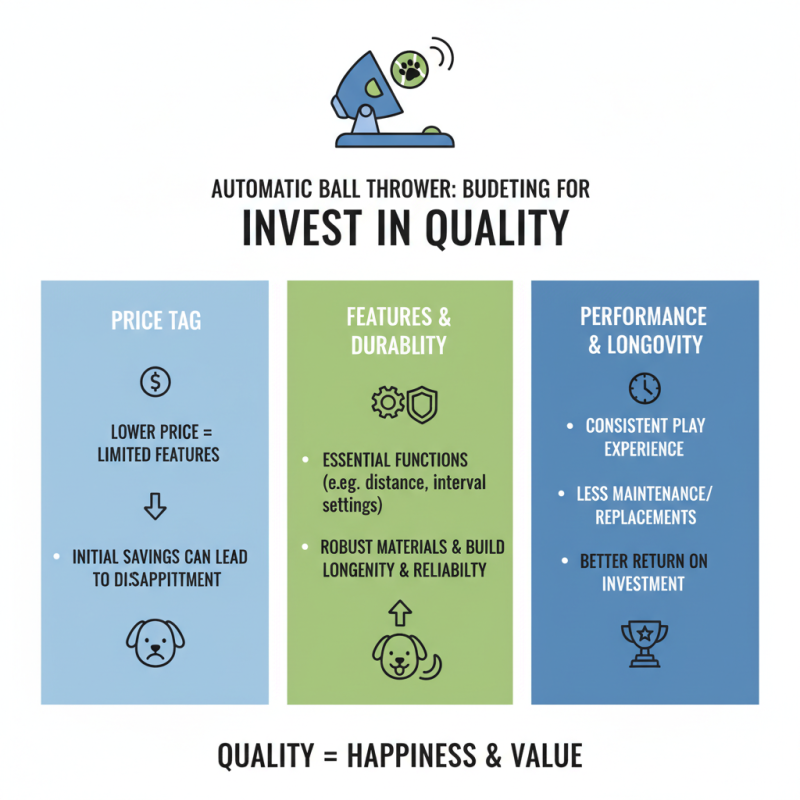
Budgeting for an automatic ball thrower involves more than just price tags. You need to consider features and durability. A lower-priced model might lack essential functions, leaving you with disappointment. Be prepared to invest in quality, as this often determines performance and longevity.
Research is vital. Look at average costs in different categories. Basic models may start at a lower price but often offer limited capabilities. On the other hand, high-end models can feature advanced settings, multiple distance options, and improved build materials. Weigh your needs against functionality to ensure a sound investment.
Remember, additional costs can arise. Maintenance, batteries, or accessories might not be included in the initial purchase. Factor in these expenses to avoid unexpected budgetary constraints. An automatic ball thrower can elevate playtime, yet it’s important to remain realistic about what you can afford. Make sure to evaluate your decision thoroughly before buying.