How to Raise Happy and Healthy Toy Pom Puppies: Essential Care Tips
Raising happy and healthy Toy Pom puppies requires a deep understanding of their unique needs and behaviors. According to the American Kennel Club, toy breeds like the Pomeranian are among the most popular companion dogs, admired not only for their adorable appearance but also for their vibrant personalities. However, their small size makes them particularly vulnerable to various health issues. In fact, studies indicate that toy breeds are more susceptible to dental problems, obesity, and certain genetic disorders, underscoring the importance of proper care routines tailored to their specific needs.
To ensure the well-being of Toy Pom puppies, it is essential to provide balanced nutrition, regular veterinary care, and a safe environment that promotes physical activity and mental stimulation. A survey from the Pet Food Manufacturers' Association reveals that nearly 30% of pet owners are unaware of their pets' nutritional requirements, which can lead to health complications over time. Furthermore, early socialization and training are crucial, as these puppies thrive in engaging and nurturing environments that help mitigate anxiety and behavioral issues. This article aims to delineate key care tips that will not only enhance the quality of life for Toy Pom puppies but also foster a loving bond between them and their owners.
Understanding the Toy Pom Puppy Breed Characteristics
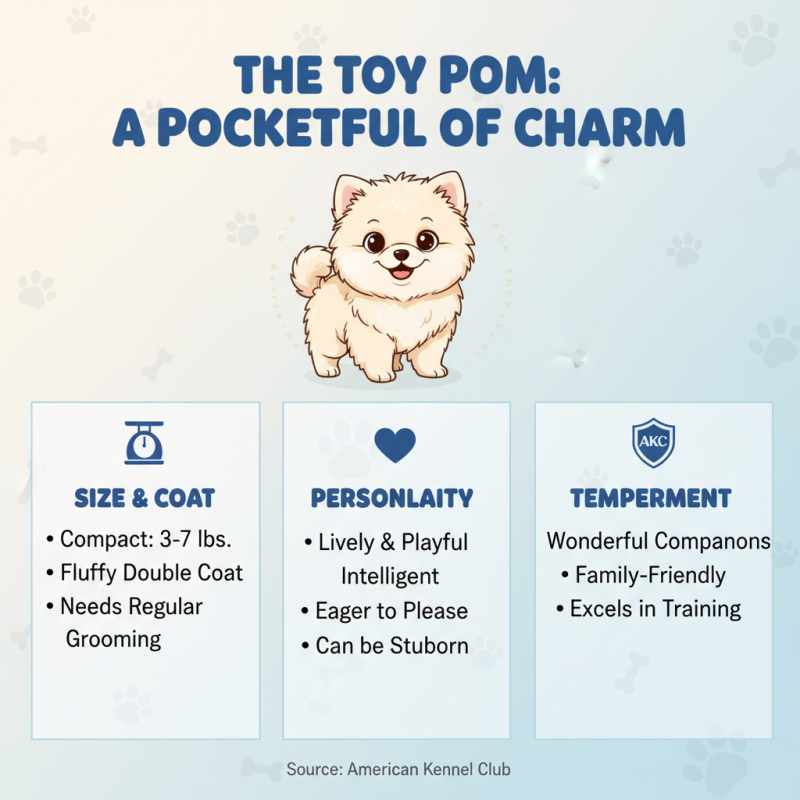
The Toy Pom, a delightful hybrid of the Pomeranian and Toy breeds, is renowned for its compact size and lively personality. Weighing between 3 to 7 pounds, these puppies possess a fluffy double coat, enhancing their adorable appearance and requiring regular grooming to maintain their aesthetic. According to the American Kennel Club, Toy Poms are characterized by their playful temperament, making them wonderful companions for families and individuals alike. They are intelligent dogs that excel in training, thanks to their eagerness to please, although they can exhibit a stubborn streak if not properly motivated.
In terms of health, it’s crucial for potential Toy Pom owners to be aware of common breed-specific issues. Studies indicate a higher predisposition for dental problems, joint disorders, and luxating patellas among small dog breeds, including Toy Poms. Regular veterinary check-ups, balanced nutrition, and exercise are essential components of their care regime. According to research published in the Journal of Veterinary Internal Medicine, maintaining an ideal weight significantly reduces the risk of these health issues, underscoring the importance of an active lifestyle for this energetic breed. Overall, understanding their unique characteristics helps in providing a nurturing environment that fosters their happiness and well-being.
Creating a Safe and Comfortable Environment for Your Puppy
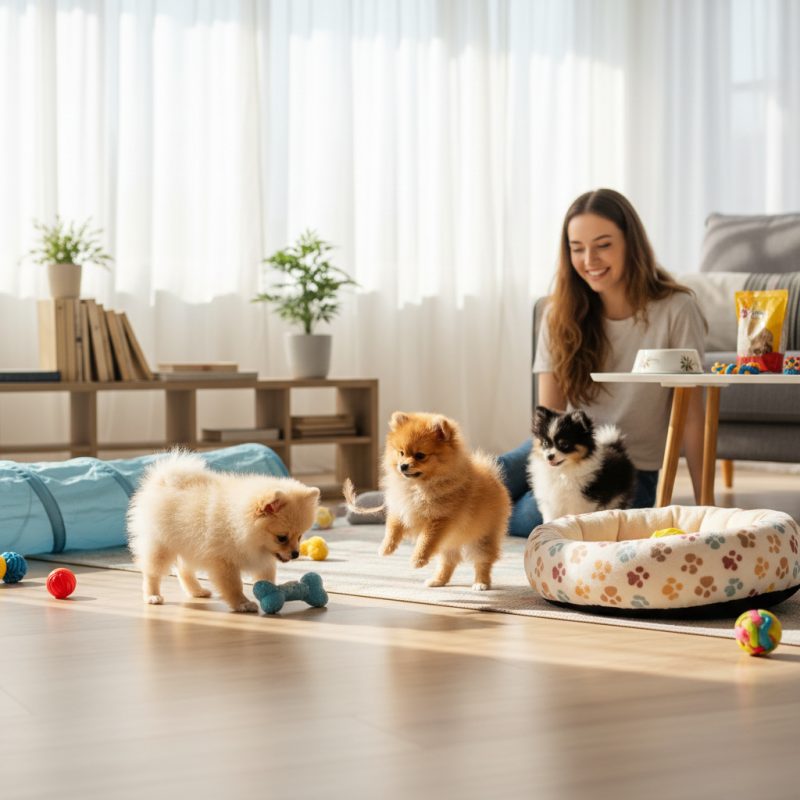
Creating a safe and comfortable environment for your Toy Pom puppies is crucial in ensuring their happiness and health. Research indicates that an ideal living space should cater to the innate needs of small breed puppies, focusing on safety, warmth, and minimal stress. The American Kennel Club suggests that providing a secure area, free from hazards and toxic substances, can significantly reduce the risk of injury. Use gates to restrict access to potentially dangerous areas, and ensure that all small objects are cleaned up, as Toy Poms are known for their inquisitive nature and tendency to explore.
Temperature regulation is another vital aspect of maintaining a comfortable environment. According to the American Society for the Prevention of Cruelty to Animals, dogs are susceptible to temperature extremes, making it essential to keep your home at a stable, moderate temperature. Providing a soft bed in a warm, quiet area of your house can also enhance their comfort. Moreover, incorporating interactive toys can stimulate their minds and help alleviate boredom, which is crucial in reducing anxiety. A well-structured living space that emphasizes comfort, warmth, and mental engagement lays the groundwork for happy and well-adjusted Toy Pom puppies.
Essential Care Tips for Toy Pom Puppies
Essential Nutrition and Feeding Guidelines for Toy Pom Puppies
Feeding Toy Pom puppies a nutritious diet is essential for their growth and overall health. According to the Association of American Feed Control Officials (AAFCO), puppies require a diet that contains at least 22% protein and 8% fat to support their developing bodies and active lifestyles. For Toy Poms, whose small size makes them sensitive to nutritional needs, choosing high-quality, small-bite kibble can aid their ability to chew and digest food effectively. Incorporating wet food can also be beneficial, as it can help with hydration and improve palatability, especially for picky eaters.
An important consideration in feeding Toy Pom puppies is their tendency to gain weight easily due to their compact size. The American Kennel Club (AKC) recommends feeding them small, frequent meals throughout the day rather than one or two larger meals. This approach not only prevents overeating but also ensures they receive a consistent energy supply to support their playful nature. Additionally, monitoring their body condition score (BCS) can provide insights into whether they are receiving the right amount of food, and adjustments can be made based on their growth and activity level. Maintaining a balanced diet and proper feeding schedule will contribute significantly to raising a happy and healthy Toy Pom puppy.
Regular Health Checkups and Vaccination Schedule
Regular health checkups and vaccinations are crucial in ensuring that your Toy Pom puppies grow up to be happy and healthy. Comprehensive veterinary visits should begin as soon as you bring your puppy home. During these visits, a veterinarian will carry out a thorough examination, checking for any potential health issues and assessing the puppy's overall well-being. Establishing a routine schedule for checkups, ideally every three to four weeks until the puppy is around 16 weeks old, allows for early detection of any health concerns and helps in addressing them promptly.
Vaccinations play a vital role in protecting Toy Pom puppies from common yet serious diseases. Following your veterinarian’s vaccination schedule is essential, as it typically includes vaccinations for distemper, parvovirus, adenovirus, and rabies. Puppies usually receive their first set of vaccinations between 6 to 8 weeks of age, with boosters given every few weeks until they reach around 16 weeks. Keeping up with these vaccinations not only safeguards your puppy's health but also promotes public health by reducing the spread of infectious diseases. Integrating regular health checkups and vaccinations into your care routine will set the foundation for a long, joyful life for your Toy Pom.
Effective Training and Socialization Techniques for Happy Puppies
Effective training and socialization techniques are crucial for raising happy and healthy Toy Pom puppies. Beginning in the early weeks of a puppy’s life, socialization helps them become well-adjusted adults. Introduce your puppy to a variety of people, environments, and other pets to foster positive experiences and reduce fearfulness. Short trips to dog parks, inviting friends over, and gentle encounters with different sounds can boost their confidence and adaptability. The key is to ensure these interactions are positive and rewarding, allowing your puppy to associate new experiences with good feelings.
Training should also be approached with positive reinforcement methods. Using treats, praise, and play as rewards encourages good behavior and strengthens the bond between you and your puppy. Start with basic commands like "sit," "stay," and "come," gradually introducing more complex tasks as your puppy grows. Consistency is vital; ensure that everyone in the household is on the same page regarding commands and routines. Incorporating fun training sessions into your daily schedule not only keeps your puppy engaged but also reinforces their learning through play. By blending effective training and socialization techniques, you set the foundation for a well-mannered, happy Toy Pom companion.
How to Raise Happy and Healthy Toy Pom Puppies: Essential Care Tips
| Care Aspect |
Recommended Practices |
Frequency |
| Feeding |
High-quality puppy food, balanced diet with protein and fats |
3-4 times a day |
| Grooming |
Regular brushing to prevent matting, occasional baths |
Weekly brushing, bath every month |
| Exercise |
Daily walks and playtime, mental stimulation with toys |
30-60 minutes daily |
| Training |
Basic commands, positive reinforcement, socialization with other pets |
Daily short sessions |
| Health Check-ups |
Regular veterinary visits, vaccinations, dental care |
Every 6 months |
| Socialization |
Exposing puppies to different environments, sounds, and people |
Ongoing throughout early life |