What is Dog Chew Tail and How to Stop Your Dog from Chewing It
In recent years, pet behavior specialists have increasingly focused on the issue of "Dog Chew Tail," a prevalent problem among canine companions that can lead to serious physical and psychological consequences. According to a report by the American Veterinary Medical Association (AVMA), over 30% of dog owners have reported their pets engaging in excessive chewing of their own tails, which may stem from anxiety, boredom, or even underlying medical conditions. Understanding the reasons behind this behavior is crucial for pet owners seeking to ensure the health and well-being of their dogs.
Dr. Sarah Thompson, a leading veterinary behaviorist, states, “Addressing the root causes of Dog Chew Tail is essential; failure to do so can lead to chronic issues that extend beyond the physical damage to the tail itself.” By recognizing the behavioral cues and implications of tail chewing, owners can implement effective strategies to curb this habit and enhance their dog's quality of life. With ongoing research and expert insights, dog owners are better equipped than ever to understand and manage this common yet distressing behavior, fostering happier, healthier relationships with their furry friends.

Understanding Dog Chew Tail: Definition and Common Causes
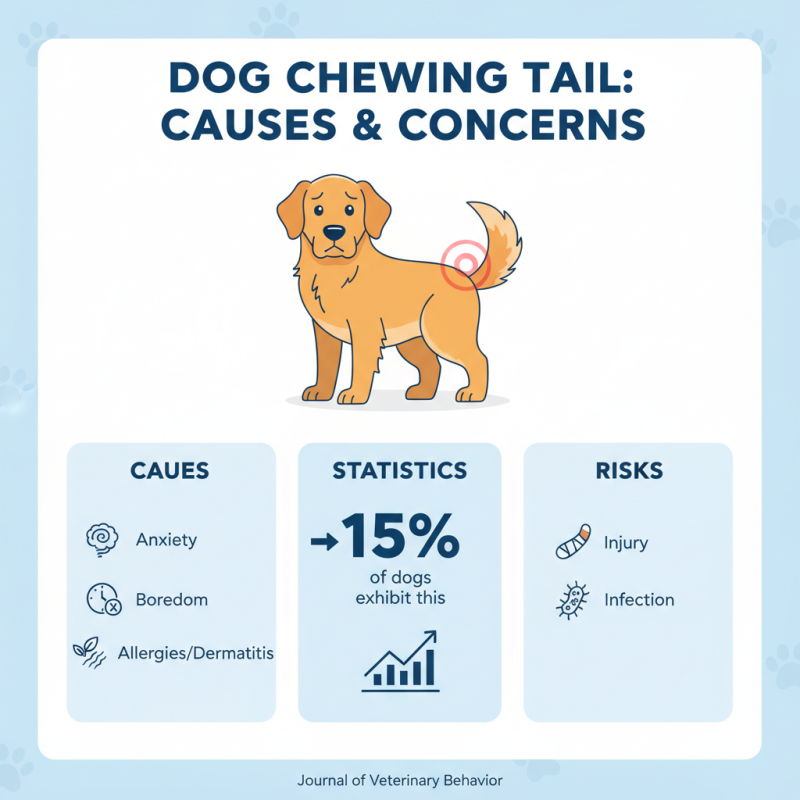
In the world of canine behavior, "dog chew tail" refers to a common condition where dogs obsessively chew on their tails. This behavior can stem from various underlying issues, such as anxiety, boredom, or medical problems like allergies and dermatitis. According to a study published in the Journal of Veterinary Behavior, about 15% of dogs will display tail-chasing or chewing behavior at some point in their lives. Understanding the causes of this behavior is crucial, as it can lead to injury or infection if not addressed promptly.
Common triggers for tail chewing include stress from changes in the household, lack of physical activity, or insufficient mental stimulation. For instance, dogs left alone for extended periods may develop anxiety, leading them to chew on their tails as a coping mechanism. Furthermore, certain breeds, like terriers, might be more prone to this behavior due to their high energy levels and tendency to engage in repetitive actions.
To help curb this behavior, owners can implement a few strategies. First, ensure that your dog gets ample exercise both physically and mentally. Daily walks, playtime, and engaging toys can keep their mind off their tails. Second, consider using deterrent sprays to make the tail less appealing to chew. Lastly, if the behavior persists, consulting a veterinarian or a professional dog trainer can provide tailored solutions and ensure there are no underlying health issues contributing to the problem.
Statistics on Tail Chewing Behavior in Dogs: Incidence and Demographics
Tail chewing behavior in dogs is a concerning issue that affects a significant number of pets. Recent statistics indicate that approximately 15% to 25% of dogs exhibit some form of tail chewing, with certain demographics being more prone to this behavior. Breeds such as Beagles, Staffordshire Bull Terriers, and Dachshunds show higher incidences, suggesting a potential genetic or breed-specific predisposition. Additionally, age plays a role, with younger dogs (under two years) more likely to engage in this behavior, perhaps due to higher energy levels and exploratory instincts.
The underlying causes of tail chewing can vary widely among individual dogs. Anxiety and boredom are the most common triggers, leading dogs to self-soothe by chewing on their tails. Environmental factors, such as a lack of physical exercise or mental stimulation, can exacerbate tail chewing, as dogs may turn to their tails as a source of entertainment. Moreover, skin irritations or allergies could prompt dogs to chew on their tails as a reaction to discomfort. Understanding these demographics and causes is crucial for pet owners seeking to address and rectify tail chewing behavior in their dogs.
Dog Chewing Behavior Statistics
This chart illustrates the incidence of tail chewing behavior in dogs across different age groups. It's evident that younger dogs, particularly those under one year old, demonstrate the highest tendency to chew their tails, with a gradual decrease in prevalence as they age.
Health Risks Associated with Dogs Chewing Their Tails
Dogs may engage in tail chewing for various reasons, but this behavior can lead to significant health risks. One of the most concerning issues is the potential for injuries to the tail, which can range from minor abrasions to severe wounds. Persistent chewing can create an open sore that is prone to infection, leading to painful conditions that require veterinary intervention. Furthermore, the injury may also prompt other animals to bite or scratch at the affected area, exacerbating the situation.
Another health risk associated with tail chewing is the development of behavior-related disorders. Dogs that chew their tails excessively may exhibit signs of anxiety or boredom, indirectly impacting their overall mental health. This compulsive behavior can lead to stress conditions such as depression and additional destructive behaviors. Moreover, tail chewing may arise from underlying medical issues such as allergies, skin infections, or parasitic infestations, necessitating diagnostic evaluation and treatment to address the root cause of the behavior. Addressing both the physical and psychological aspects of tail chewing is crucial for the well-being of the dog.
Effective Strategies to Stop Your Dog from Tail Chewing
Tail chewing in dogs can be a perplexing issue, often stemming from anxiety, boredom, or medical problems. According to a report by the American Veterinary Medical Association, about 30% of dogs can develop compulsive behaviors, which may include excessive chewing or licking of sensitive areas like the tail. Addressing this behavior requires a multi-faceted approach focusing on both mental and physical stimulation.
Tips: Incorporating regular exercise into your dog's routine is crucial. A daily walk or playtime can significantly reduce anxiety and boredom. Engaging your dog in interactive toys can also help keep their mind occupied.
Furthermore, it’s essential to monitor for any underlying health issues. Some dogs may chew their tails as a response to allergies or skin conditions. A study published in the Journal of Veterinary Behavior highlighted that addressing such medical issues can improve the dog's quality of life and reduce compulsive behaviors by over 60%.
Tips: Regular vet check-ups can ensure that any medical problems are identified early. Implementing training strategies, like positive reinforcement, can also redirect their focus away from tail chewing. Providing a designated play area can enhance their environment, making it less likely for them to resort to tail chewing out of boredom.
What is Dog Chew Tail and How to Stop Your Dog from Chewing It - Effective Strategies to Stop Your Dog from Tail Chewing
| Strategy |
Description |
Effectiveness |
Additional Recommendations |
| Behavioral Training |
Teach your dog to redirect excessive biting to toys. |
High |
Use positive reinforcement techniques. |
| Distraction Techniques |
Provide engaging toys to keep their attention away from the tail. |
Moderate |
Rotate toys regularly to maintain interest. |
| Bitter Sprays |
Apply a bitter-tasting spray to discourage chewing. |
Variable |
Always test for skin sensitivity first. |
| Regular Exercise |
Increase physical activity to reduce boredom. |
High |
Engage in daily walks and play sessions. |
| Veterinary Consultation |
Rule out medical issues causing discomfort leading to chewing. |
High |
Consider behavioral therapy if needed. |
Consulting Veterinary Professionals: When to Seek Help for Tail Issues
When dogs engage in excessive tail chewing, it can indicate underlying issues that may require professional attention. Consulting with a veterinarian is crucial in determining whether the behavior is a result of allergies, skin infections, or psychological factors such as anxiety. Tail chewing can lead to further complications, including injuries or infections, making it essential to address the problem early on. A veterinarian can provide a thorough examination and recommend appropriate treatment options, whether they involve medication, behavioral training, or changes in the dog's environment.
In situations where a dog's tail chewing becomes chronic, owners should not hesitate to seek help. A veterinary professional can guide pet owners in identifying triggers for the behavior and suggest strategies to mitigate it. Furthermore, if the dog shows signs of distress or physical harm due to chewing, a prompt visit to the vet is necessary. Tail issues can sometimes be symptoms of more serious health conditions, so caregivers must remain vigilant and proactive in seeking veterinary advice. Ignoring these signs can lead to worsening health issues, making it vital to consult with a professional for the well-being of the dog.