How to Choose the Best Moving Dog Toys for Your Active Pup
When it comes to keeping our energetic pups engaged and happy, choosing the right Moving Dog Toys is essential. According to Dr. Sarah Thompson, a renowned canine behaviorist and expert in pet play, “The right toys not only provide entertainment but also stimulate your dog’s mind and body, fostering a healthy lifestyle.” With so many options available, pet owners may find themselves overwhelmed by the selection of toys designed to keep dogs on the move.
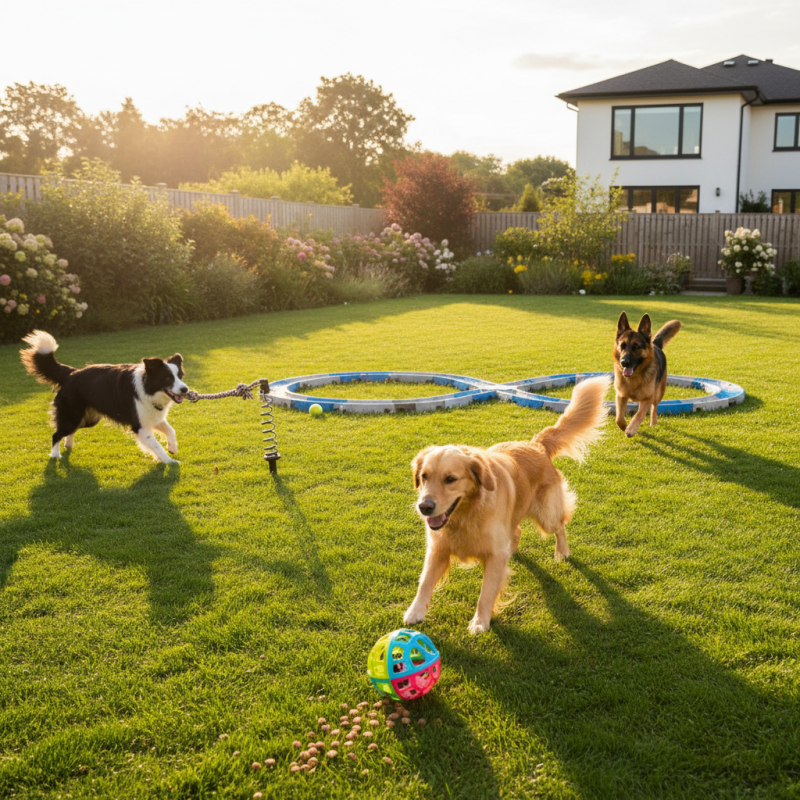
Moving Dog Toys can range from interactive puzzles to toys that dispense treats, all geared toward encouraging physical activity and mental stimulation. As dogs naturally have a high energy level, it’s crucial to select toys that will cater to their instincts and play styles. From playful tugging to fetch tracks that keep them running, the right toys can turn an ordinary playtime into an extraordinary adventure.
In this guide, we will explore how to choose the best Moving Dog Toys that not only match your pup's personality but also promote their overall health and happiness. By understanding the different types of toys available and how they can impact your pet's well-being, you’ll be better equipped to make the best decisions for your furry friend. Let’s delve into what makes these toys a must-have for every active dog owner.
Choosing the Right Size Dog Toys for Optimal Safety and Play
When selecting moving dog toys for your active pup, ensuring the right size is crucial for optimal safety and play. According to a study conducted by the American Kennel Club, approximately 60% of dog injuries are associated with toys that are either too small or not appropriately matched to the dog’s size. Toys that are too small can pose choking hazards, while oversized toys might discourage your pup from engaging in play, thereby limiting their exercise opportunities.
Industry insights suggest that toy sizes should correspond to the dog’s weight and breed. For example, small breeds like Chihuahuas may require toys that fit comfortably in their mouths, typically around 3 to 4 inches, while larger breeds such as Golden Retrievers need toys that are at least 6 to 8 inches in length to prevent any accidental ingestion. The World Pet Association emphasizes that a toy should be about the length of the dog’s snout, allowing them to grab it comfortably without swallowing it whole. Proper sizing not only enhances the play experience but also significantly reduces the risk of injury, allowing for a safe and enjoyable environment for your dog to thrive.
How to Choose the Best Moving Dog Toys for Your Active Pup - Choosing the Right Size Dog Toys for Optimal Safety and Play
| Toy Type |
Recommended Size |
Durability |
Ideal For |
Safety Features |
| Fetch Balls |
Medium (3-4 inches) |
High |
Active Dogs |
Non-toxic materials |
| Rope Toys |
Large (5-10 inches) |
Medium |
Chewers |
Fray-resistant |
| Interactive Toys |
Medium (4-6 inches) |
High |
All Breeds |
No small parts |
| Squeaky Toys |
Small (2-3 inches) |
Medium |
Small Dogs |
Soft edges |
| Dental Chew Toys |
Medium to Large (4-8 inches) |
High |
Chewers |
FDA approved materials |
Understanding Your Dog's Play Style for Better Toy Selection
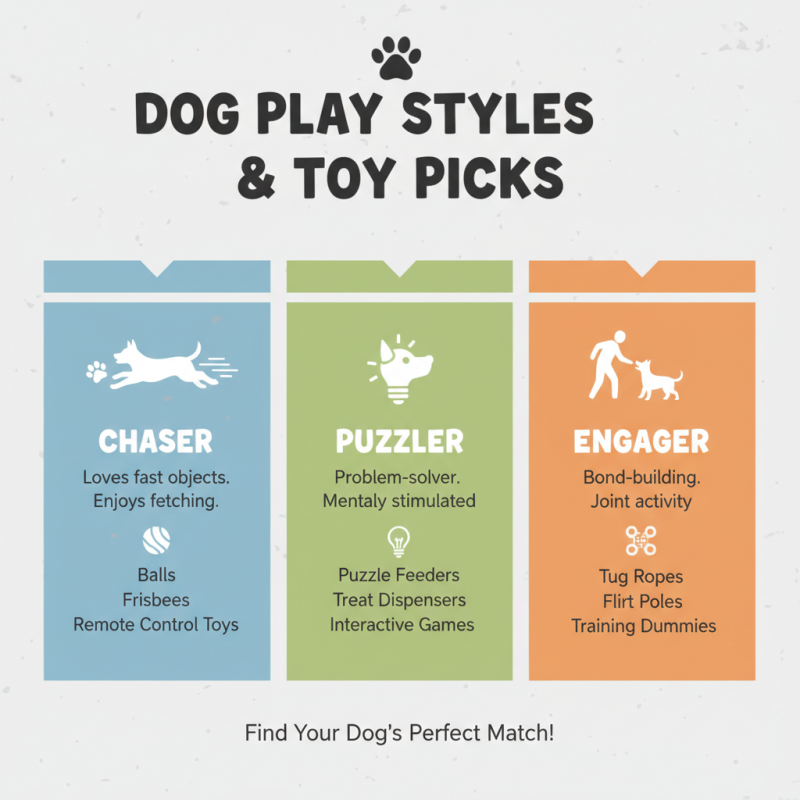
Understanding your dog’s play style is crucial in selecting the best moving toys to keep them engaged and happy. Dogs have different preferences when it comes to play, often influenced by their breed, age, and energy levels. For example, some dogs love to chase after fast-moving objects, thriving on toys that can be thrown or rolled. Others may prefer interactive toys that challenge their problem-solving skills or allow for bond-building through joint play with their owners. Observing your dog’s natural inclinations and behaviors during playtime can provide valuable insights into the types of toys that will spark their interest.
Additionally, considering the physical characteristics of your dog can further refine your toy selection. Active pups, especially those with high energy, often require durable toys that can withstand rigorous play. Look for options that are not only fun but also cater to their need for exercise and mental stimulation. For instance, toys that mimic prey movement can engage hunting instincts, while those offering varied textures can appeal to a dog’s tactile exploration. By identifying and understanding these unique play styles, you can choose the best moving toys that will not only entertain your active pup but also contribute to their overall well-being.
Material Durability: Evaluating Safety Standards in Dog Toys
When selecting moving dog toys for your active pup,
material durability is a vital consideration.
Toys made from robust materials not only withstand rigorous play but also reduce the risk of your dog
ingesting small pieces that could pose a choking hazard. Look for toys crafted from
non-toxic, BPA-free plastics, natural rubber, or tightly woven fabrics that can endure the wear
and tear of enthusiastic play. It's essential to assess the safety standards
upheld by the manufacturer to ensure the toy is both safe and long-lasting.
Tips for Choosing Durable Dog Toys:
- Conduct a simple squeeze test: Press the toy to see if it feels firm or if it bends easily, which can indicate lower durability.
- Check for certifications: Look for toys that meet safety standards set by recognized organizations to ensure they are made from safe materials.
- Observe wear and tear: After a few uses, regularly inspect the toy for signs of damage or excessive wear, which can affect its durability and safety.
The material of a toy is directly linked to its resilience. Even the most exciting toys can lose
their appeal if they break too quickly. Therefore, prioritize toys
that are designed with durability in mind, ensuring that your pet can enjoy their playtime without
unnecessary risks.
Interactive vs. Solo Toys: How to Cater to Your Dog's Needs
When selecting the best moving dog toys for your active pup, understanding the difference between interactive and solo toys is crucial.
Interactive toys, which engage dogs in play with their owners or other pets, support socialization and mental stimulation. According to a report by the American Kennel Club, dogs that participate in play with their humans experience up to 25% less anxiety and exhibit lower levels of destructive behavior. This is particularly important for high-energy breeds that require frequent engagement to stay content.
In contrast, solo toys are designed for self-directed play, allowing dogs to entertain themselves when their owners are unavailable. The Association of Professional Dog Trainers highlights that solo play can enhance a dog's problem-solving skills and can effectively burn off energy, especially when combined with physically demanding toys.
Data indicates that dogs who regularly engage with solo toys tend to exhibit better coping mechanisms when faced with loneliness, decreasing separation anxiety issues by nearly 30%. By understanding the needs of your pup and balancing both interactive and solo toys, you can ensure their active lifestyle is enriched and fulfilling.
The Importance of Toy Variety for Your Dog’s Mental Stimulation
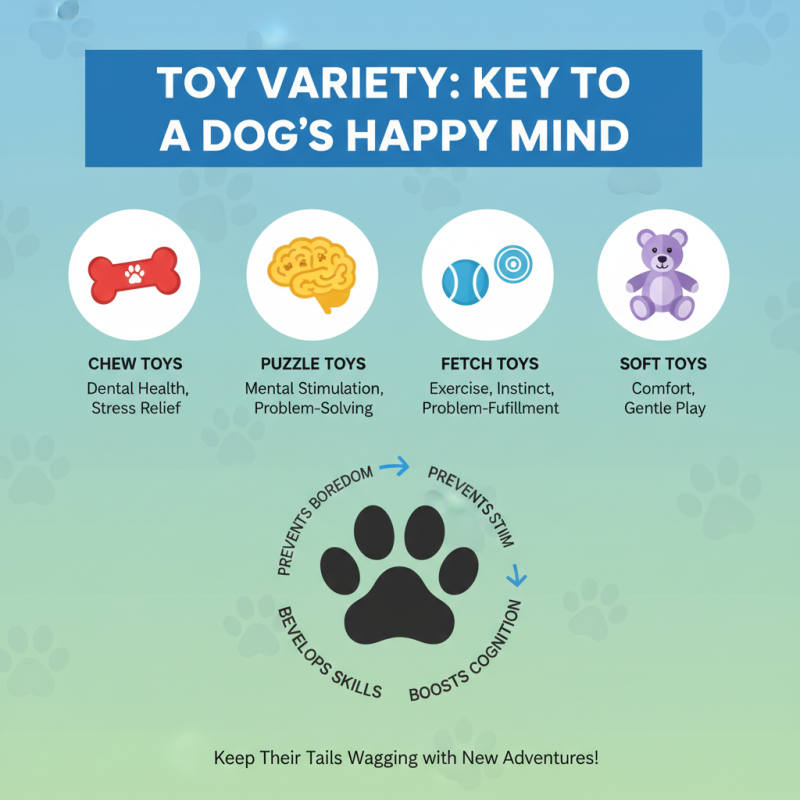
When it comes to keeping your active pup engaged, toy variety plays a crucial role in providing mental stimulation. Dogs, just like humans, can experience boredom when exposed to the same activities repeatedly. Varying their toys not only keeps their interest piqued but also encourages them to use different skills, fostering cognitive development. A well-rounded selection might include chew toys, puzzle toys, fetch toys, and soft toys, ensuring that your furry friend has options that suit various play styles.
Tips for selecting the right toys include observing your dog's play habits and preferences. If your pup loves to chew, invest in durable chew toys that can withstand their enthusiasm. For dogs that enjoy problem-solving, consider interactive puzzle toys that challenge them to think critically to obtain treats. It's also beneficial to rotate toys regularly; introducing "new" toys can reignite your dog's interest and provide fresh challenges. Always keep an eye on your dog’s playtime behavior to ensure they are engaging positively with their toys without becoming overly frustrated or aggressive.
By providing a diverse range of toys, you can help maintain your dog's mental agility and stimulate their natural instincts. Engaging their mind is just as important as physical exercise, and a well-chosen selection of toys can lead to a happier, healthier pup.