China’s plush-toy industry combines large-scale production with increasingly careful design, testing, and customization. Grand View Research identifies rising demand for character and soft toys, supported by children’s products, gifting, and home décor applications. Meanwhile, Statista’s Toys & Games market data shows China remains one of the world’s most important toy production and consumer markets. These trends make China a practical sourcing destination for a Big Dog Stuffed Animal.
This article introduces ten Chinese manufacturers selected for manufacturing experience, product range, customization capability, export exposure, and quality-control practices. Some suppliers focus on oversized plush designs, while others specialize in promotional toys, realistic animal shapes, or private-label collections. A useful factory should provide clear material specifications, sample photographs, production timelines, and traceable inspection records. Details matter. A dense, soft dog plush should keep its shape after handling, while embroidered eyes should remain secure and evenly positioned.
The assessment also considers compliance with recognized safety frameworks, including ISO 8124, EN 71, ASTM F963, and applicable market requirements. Reports from the International Trade Centre and China Customs demonstrate the importance of China’s role in global merchandise trade, but trade scale alone cannot prove factory reliability. That is where this list needs reflection. Supplier information can change, and online claims may be incomplete. Buyers should verify certificates, audit production sites, test samples independently, and confirm labeling obligations before ordering. The following manufacturers therefore serve as a research starting point, not a substitute for professional due diligence.
A big dog stuffed animal manufacturer is not simply a factory with a large workshop. It should manage oversized patterns, stable filling, strong seams, and consistent facial details. For dog designs above 50 centimeters, material planning becomes critical. Fabric rolls, recycled polyester filling, cartons, and shipping space can quickly increase costs.
Grand View Research estimated the global stuffed toys market at about US$7.3 billion in 2022. Its forecast also indicated steady growth through the decade. This demand rewards factories with repeatable production, not only attractive samples. A capable Chinese manufacturer should show production records, material traceability, needle-control procedures, and documented final inspections. Buyers should request test reports covering applicable requirements under ISO 8124, especially for children’s products.
The strongest suppliers usually operate sampling rooms, computerized embroidery equipment, filling machines, and separate quality-control stations. They can explain how stuffing density is measured across the head, legs, and belly. They should also provide carton-drop testing and colorfastness results. Numbers matter.
Factory size can mislead. A crowded workshop may still lack process control. A smaller facility may deliver better consistency through experienced operators and careful batch records. This is where buyer judgment matters. I would compare three production samples, not one. I would inspect seam strength personally, if possible. No supplier is perfect. Delays, fabric substitutions, or uneven filling can still occur, even after approval. Reliable communication and corrective-action records reveal more than polished showroom photos.
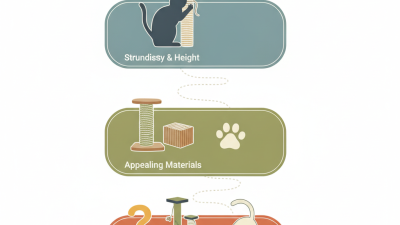
The chart presents a practical evaluation framework for large dog stuffed animal manufacturers in China. Safety and compliance receive the highest weighting, followed by material quality, customization capability, production capacity, quality control, and export readiness.
Evaluation weights are expressed as percentages of a 100-point supplier assessment model and are intended for comparing manufacturer capabilities without disclosing company or brand data.
Finding China’s top ten big dog plush toy manufacturers requires more than checking online rankings. A reliable list should begin with verifiable factory experience, product specialization, and stable export records. Review the manufacturer’s workshop, production capacity, and quality control process. Factory photos alone are not enough.
Request a physical sample before discussing large orders. Check the dog plush toy’s stitching, fabric softness, embroidery precision, and stuffing recovery. Press the belly and ears. The shape should return without hard lumps. Pull the seams gently, especially around the legs and tail. Ask for material specifications, batch records, and independent safety test reports. These details help confirm professional knowledge, not just attractive sales language.
Top manufacturers should explain their sampling process, minimum order quantity, production schedule, and inspection standards clearly. They should also support traceability from fabric suppliers to final packaging. Ask whether they understand the safety rules required in your target market. Certificates must match the actual product, not an older sample.
That mistake happens.
An on-site or video audit can reveal practical weaknesses. Look for clean storage areas, labeled materials, needle-control procedures, and trained inspection staff. Compare several factories using the same checklist. Price should matter, but unusually low pricing may hide thinner fabric or rushed sewing. My own assessment would not rely on one successful sample; repeated production evidence is stronger. Even experienced buyers can overlook small defects. That is why independent pre-shipment inspection remains valuable when identifying China’s strongest big dog plush toy manufacturers.
China’s leading big dog stuffed animal manufacturers typically offer plush toys in several sizes, from shelf-friendly designs to oversized floor models. Common products include standing dogs, curled sleeping dogs, realistic breeds, cartoon characters, and soft pillow-style toys. Materials often include short plush, minky fabric, velvet, and recycled polyester filling. The fabric choice affects touch, shape retention, and production cost.
Customization usually begins with a sketch, reference image, or physical sample. Manufacturers can adjust ear shape, paw size, fur length, colors, facial expressions, and body proportions. Embroidery is suitable for eyes, noses, and simple logos. Printed fabric may work better for detailed patterns. Some factories also provide prototype development, color matching, custom labels, retail packaging, and carton design. A proper sample review should check seam strength, stuffing balance, zipper placement, and loose threads.
Details matter. A large plush dog can look attractive but become uncomfortable if its head is too heavy. Buyers should request material specifications, production photos, sample approval, and inspection records before bulk production. Many suppliers support small trial orders, although minimum quantities vary by design and fabric. Washability may require special construction, and dark fabrics can show lint more easily. This is an easy detail to overlook. Even experienced buyers sometimes approve appearance too quickly and review durability too late. Clear measurements and written revisions reduce these problems.
China’s top ten big dog stuffed animal manufacturers should be judged beyond catalog photos. Reliable evaluation starts with factory experience, documented processes, and repeatable inspection records. Ask for material specifications, seam-strength results, and production samples from the same line. A soft polyester plush may feel attractive, but loose fibers, weak embroidery, or uneven stuffing can reveal rushed work.
Manufacturing standards should cover cutting, stitching, filling, and final packing. Safer factories control needle fragments, secure plastic eyes, and test small parts carefully. They should also screen fabrics and fillings for restricted substances through recognized laboratory testing. Quality teams often use metal detection, pull tests, visual checks, and carton sampling. Every result needs a date, batch number, and responsible inspector. That paper trail matters.
Tips: Request a pre-production sample, then compare it with the mass-production piece. Check the nose, paws, ear seams, and zipper areas by hand. Measure size and weight, because “oversized” can mean different things. Ask how rejected units are isolated. Some suppliers provide polished reports but explain little about failures. That is a warning, though not proof of poor quality. I would also inspect factory training records and corrective-action notes. Perfect paperwork is rare; honest improvement is more convincing.
| Profile | Production Focus | Typical Size Range | Common Outer Materials | Filling Materials | Applicable Safety Standards | Key Safety Controls | Quality-Control Process | Typical MOQ | Typical Production Lead Time |
|---|---|---|---|---|---|---|---|---|---|
| 01 | Large custom dog plush toys | 60–120 cm | Polyester plush, short-pile plush, velour | Virgin polyester fiber or recycled polyester fiber | EN 71, ASTM F963, CPSIA, REACH, GB 6675 | Seam-strength testing, pull testing, colorfastness checks, small-part risk review | Incoming material inspection, first-article approval, inline inspection, final AQL inspection | 300–1,000 pieces per design | 35–55 days after sample approval |
| 02 | Oversized promotional dog plush | 80–180 cm | Long-pile polyester, microfiber, printed plush fabric | Polyester fiberfill, PP cotton, foam-free stuffing | ASTM F963, CPSIA, EN 71, REACH | Flammability review, stuffing containment, embroidery security, washability assessment | Pattern verification, fabric GSM check, stuffing-weight control, carton drop test | 200–500 pieces per design | 40–60 days after approved pre-production sample |
| 03 | Pet-themed character plush | 20–80 cm | Minky fabric, plush polyester, cotton-blend fabric | Polyester staple fiber and recycled fiber options | EN 71-1, EN 71-2, EN 71-3, ASTM F963, CPSIA | Mechanical and physical testing, accessible-component inspection, needle control | Fabric inspection, cutting accuracy check, sewing-line inspection, final sampling audit | 500–2,000 pieces per design | 30–45 days after artwork and sample confirmation |
| 04 | Organic and eco-positioned dog plush | 25–70 cm | Recycled polyester plush, organic cotton fabric, linen blends | Recycled polyester fiber or certified recycled filling where specified | EN 71, ASTM F963, CPSIA, REACH; optional GRS or GOTS supply-chain documentation | Restricted-substance documentation, fiber-content verification, seam and pull testing | Supplier document review, material batch inspection, production audits, third-party testing | 500–1,500 pieces per design | 35–50 days after material confirmation |
| 05 | Realistic dog breed replicas | 30–100 cm | Mixed-pile plush, airbrushed polyester, faux fur | Polyester fiberfill with optional weighted inserts secured internally | EN 71, ASTM F963, CPSIA, REACH | Eye and nose attachment testing, weighted-part containment, dye-transfer checks | Prototype review, color approval, attachment inspection, random carton inspection | 300–1,000 pieces per design | 40–60 days after prototype approval |
| 06 | Interactive dog plush with sound modules | 25–60 cm | Polyester plush, cotton jersey, durable woven fabric | Polyester fiberfill with enclosed electronic compartment | ASTM F963, CPSIA, EN 71 where applicable, applicable battery and EMC requirements | Battery-access protection, component security, sharp-edge review, sound-level assessment | Electronic function testing, battery inspection, seam testing, pre-shipment inspection | 1,000–3,000 pieces per design | 45–70 days after electronic sample approval |
| 07 | Washable and baby-safe style plush | 15–50 cm | Short-pile polyester, cotton fabric, smooth microfiber | Hypoallergenic polyester fiberfill where specified | EN 71, ASTM F963, CPSIA, REACH, GB 6675 | Wash-cycle testing, seam durability, loose-fiber review, small-component elimination | Pre-wash sample test, dimensional inspection, needle detection, final AQL sampling | 1,000–3,000 pieces per design | 30–45 days after wash-test approval |
| 08 | Custom mascot and event plush | 40–150 cm | Polyester plush, felt, knitted fabric, printed textile | Polyester fiberfill; firm foam may be used only in non-toy structural components when specified | ASTM F963, CPSIA, EN 71, REACH | Structural stability, attachment testing, print migration review, packaging safety checks | 3D or pattern approval, dimensional checks, seam inspection, loading and drop tests | 200–800 pieces per design | 40–65 days after engineering approval |
| 09 | Retail-ready dog plush collections | 18–90 cm | Polyester plush, velboa, faux fur, printed plush | Polyester fiberfill and recycled-content options | EN 71, ASTM F963, CPSIA, REACH, GB 6675 | Barcode and label review, metal contamination control, pull testing, packaging inspection | Approved sample standard, inline quality checkpoints, final AQL inspection, carton verification | 1,000–5,000 pieces per design | 35–55 days after purchase-order confirmation |
| 10 | Premium hand-finished dog plush | 30–100 cm | High-density plush, faux fur, suede-effect microfiber | High-resilience polyester fiberfill with controlled fill density | EN 71, ASTM F963, CPSIA, REACH; additional market-specific testing as required | Hand-finish consistency, attachment strength, colorfastness, seam and stuffing containment | Detailed workmanship standards, 100% visual inspection for premium lines, independent pre-shipment audit | 300–1,500 pieces per design | 45–70 days after final sample approval |
| Data note: The profiles above are anonymized manufacturing capability benchmarks for China-based plush-toy production. MOQ, lead time, certification scope, materials, and testing requirements vary by design, destination market, order volume, packaging, and buyer specifications. Compliance should be confirmed through current factory documentation and independent laboratory testing before production and shipment. | |||||||||
Comparing China’s top ten big dog stuffed animal manufacturers requires more than attractive catalog photos. Check factory experience, product range, sample quality, and communication speed. Ask for a business license, factory address, recent audit records, and production photos. A serious supplier should explain fabric choices, filling density, stitching strength, and safety testing. Request one physical sample before approving a bulk order. Small details matter, such as balanced ears, secure eyes, and a washable surface.
Pricing must be compared line by line. Review material costs, embroidery, custom molds, packaging, inspections, and shipping terms. Confirm the minimum order quantity and whether prices change at 500, 1,000, or 5,000 pieces. Production capacity needs proof, not promises. Ask about monthly output, active production lines, peak-season delays, and backup workers. One supplier may quote less but require twelve weeks. Another may cost more and deliver within six weeks. Export support also deserves careful review. Confirm carton dimensions, packing lists, commercial invoices, product labels, and destination-market testing documents. Customs paperwork matters.
Tips: Use the same specification sheet for all ten suppliers. Compare identical sizes, fabrics, and packaging. Ask for a video call from the production floor. Keep written records of every promise. I have found that fast replies can hide weak planning, while slower replies sometimes show careful checking. That assumption is not always right. Verify everything.