10 Best Teacup Maltese Dog Care Tips for New Owners?
Bringing a Teacup Maltese Dog into your home is an exciting adventure. These tiny pups are full of charm and personality. However, they require special care and attention. New owners must understand their unique needs. This guide presents essential tips for nurturing your Teacup Maltese.
Teacup Maltese Dogs are not just cute companions; they also have specific health concerns. Their small size makes them prone to certain issues. For example, they can easily get hurt or sick. Early socialization and training are crucial for their development. Regular vet check-ups are essential.
By following these care tips, you can ensure a happy life for your Teacup Maltese Dog. Remember, it’s not just about providing food and shelter. Real love and attention matter most. Be patient and ready to learn. After all, every dog is unique and requires your understanding.
Essential Nutrition Guidelines for Teacup Maltese Dogs
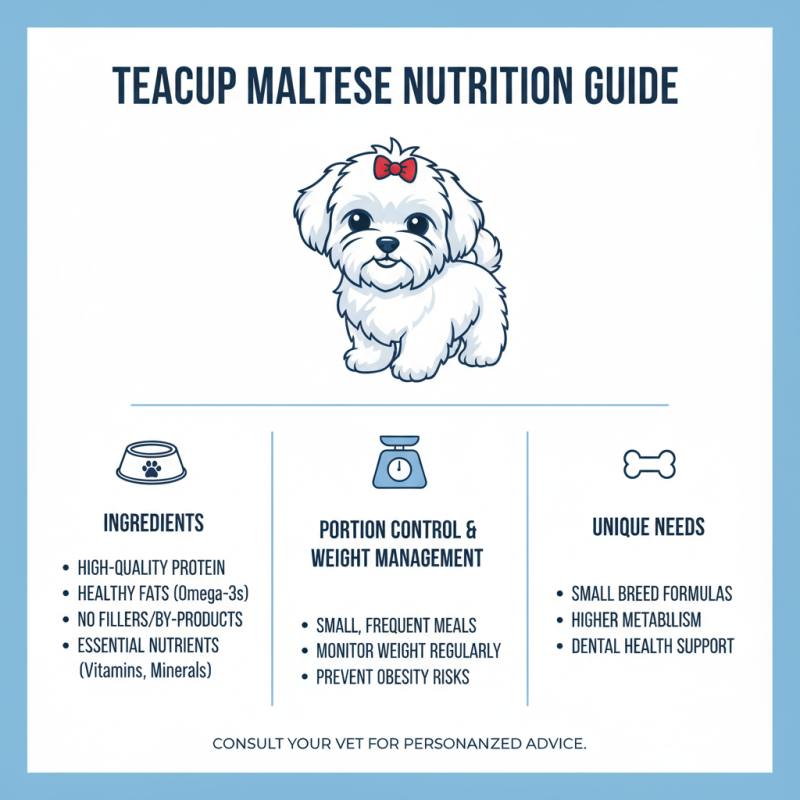
When caring for a Teacup Maltese, nutrition is key. These tiny dogs require a diet rich in high-quality ingredients. Look for foods that provide essential nutrients without fillers. Small breeds often have unique dietary needs. They benefit from higher levels of protein and healthy fats. Monitoring your dog's weight is crucial. Overfeeding can lead to health issues.
Feeding small portions multiple times a day helps. This method supports digestion and keeps their energy steady. Fresh water should always be available. Some owners forget this detail but it’s vital. Supplements can also be beneficial. Consider adding vitamins specific to small breeds. Always consult a vet before introducing anything new.
Occasional treats are fine but choose wisely. High-calorie snacks can contribute to obesity. Pay attention to ingredient lists and avoid artificial additives. Preparing homemade meals can be an option. Just ensure it is balanced. Mistakes can happen, and it's alright to adjust. Reflecting on your choices can lead to a healthier pet.
Grooming Techniques and Best Practices for Teacup Maltese Care
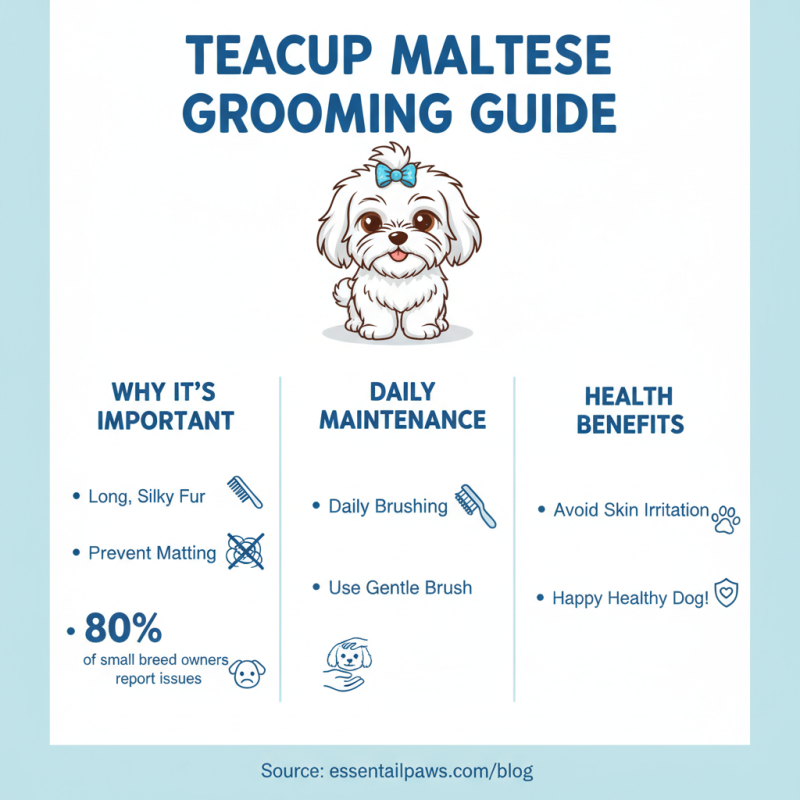
Grooming your Teacup Maltese is crucial. Their long, silky fur requires regular maintenance. Studies show that nearly 80% of small breed owners report issues due to improper grooming. Daily brushing helps prevent matting. Use a gentle brush to avoid hurting their sensitive skin.
Bathing should occur every three to four weeks. Some owners overdo it, leading to skin irritation. Use mild shampoos designed for small breeds. Drying is equally important. Consider a low-heat blow dryer, but keep it at a distance. Teacup Maltese can feel anxious. Always be gentle.
Regular dental care is vital, as they are prone to dental issues. Almost 60% of small breed dogs suffer from periodontal disease. Daily brushing helps, but many owners neglect this aspect. Nail trimming is another task that some owners forget. Long nails can cause pain and affect walking. Make it a part of your routine for their overall health. Regular grooming not only keeps your pet looking their best but also helps you bond.
Creating a Safe and Comfortable Living Environment for Your Teacup Maltese
Creating a safe and comfortable environment for your teacup Maltese is crucial. These tiny dogs need a cozy space where they feel secure. Start by choosing a designated area for your pet. Use soft bedding that is easy to wash. Avoid places near drafts or high traffic, as they can be stressful for your dog.
Keep small items off the floor. Teacup Maltese are curious and might chew on or swallow dangerous objects. Baby gates can help protect your furry friend. Ensure that cords, chemicals, and choking hazards are out of reach. Regularly inspect your surroundings to prevent accidents.
Temperature is also important. Teacup Maltese are sensitive to extreme heat and cold. Make sure your home stays at a comfortable temperature. Provide plenty of fresh water, and create a cozy corner with their toys. Remember, your dog’s environment should be a reflection of love and care, but it also requires constant attention and adjustment.
Understanding Health Risks and Regular Vet Checks for Maltese Dogs
Maltese dogs are small, but their health needs are significant. Regular vet check-ups are vital for these delicate pups. A thorough examination can catch potential health issues early. Maltese are prone to certain problems, such as dental disease and eye conditions. Routine assessments help monitor their health transition through various life stages.
The cost of veterinary care can be a concern for new owners. Unexpected illnesses can arise and strain budgets. It's wise to plan for these expenses. Consistent preventive care is often more cost-effective than dealing with serious health problems later on. Vaccinations and dental cleanings should be part of their regular health regime.
Pay attention to your Maltese's behavior and appetite. Changes may signal underlying health concerns. Establishing a good relationship with a veterinarian is key. They can provide guidance tailored to your dog's unique needs. Always be open to learning. No one has all the answers, and your journey as a new owner will require adaptation and patience.
Socialization and Training Tips for Teacup Maltese Owners
Socialization is key for Teacup Maltese dogs. Early interaction with people and other pets prevents anxiety. Expose your pup to different environments. A busy park or a neighbor’s yard can be great options. Aim for short outings to avoid overwhelming your little friend. Watch for signs of stress, like excessive barking or retreating.
Training should be consistent yet gentle. Use positive reinforcement to encourage good behavior. Simple commands, like "sit" and "stay," work well. Keep training sessions brief, around five to ten minutes. Teacup Maltese can be stubborn, making patience essential. Celebrate small victories with praise or treats. Don’t let frustrations lead to harsh words. Reflect on your approach to ensure a nurturing environment. Building trust takes time, and small steps lead to big results.