2026 Best Dog Chew Tail Benefits and Recommendations?
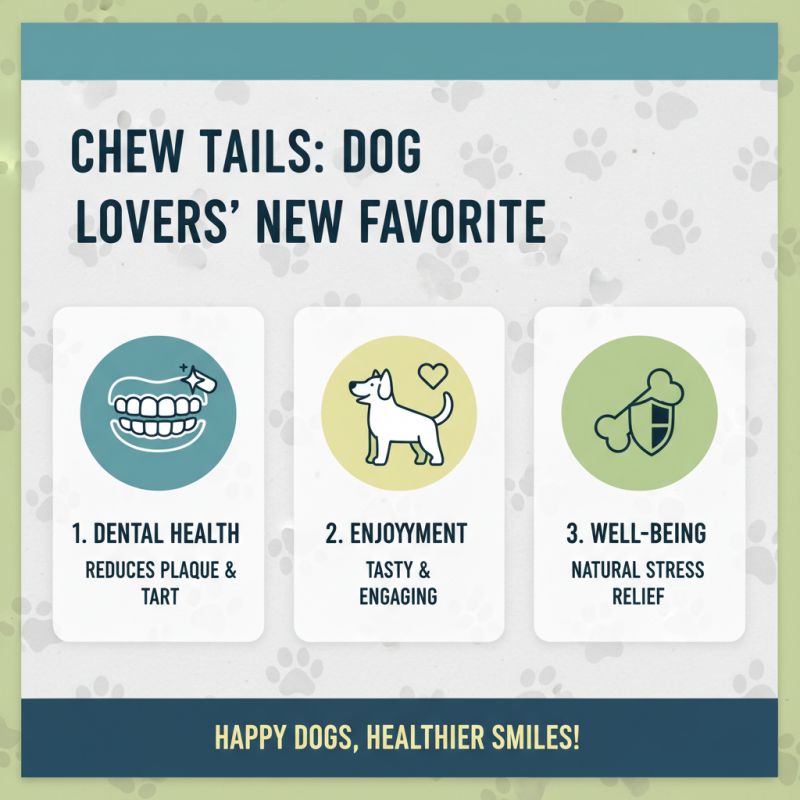
Dog Chew Tail has gained popularity among pet owners for its numerous benefits. Recent studies show that 62% of dog owners believe chew products enhance their pet's dental health. Chewing helps reduce plaque and tartar buildup on teeth. It also satisfies their instinctual need to gnaw.
Many brands offer different types of Dog Chew Tails, often made from natural ingredients. However, not all are created equal. Some may contain artificial additives, raising concerns among consumers. It is essential to choose products based on transparency and ingredient quality.
Despite these insights, dog owners sometimes overlook the importance of supervision. A small percentage of dogs can choke on improperly sized chews. Owners should always monitor their furry friends during chew time. Educating oneself about chew products is crucial. Ultimately, choosing the right Dog Chew Tail can significantly enhance a pet's life.
Understanding the Benefits of Chew Tails for Dogs
Chew tails have become popular among dog owners. These chew items provide numerous benefits for our furry friends. They are designed to encourage chewing, which is essential for dental health. Chewing helps remove plaque and tartar buildup. Dogs love the taste and texture, making it a fun activity.
These chew tails can help curb destructive chewing behavior. When dogs chew on appropriate items, they are less likely to target furniture or shoes. It's a healthy way for dogs to relieve boredom and anxiety. However, not all chew tails are created equal. Owners must choose items that are safe and durable.
Dogs may swallow pieces of inferior products. This could lead to choking or digestive issues. Always supervise your pup while they enjoy their chew tails. Regularly inspect the tails for wear and tear. If you notice any damage, replace them immediately. Chewing is a natural behavior, and with the right guidance, it can be beneficial for both dogs and their owners.
Key Ingredients in Quality Dog Chew Tails
When selecting a high-quality dog chew tail, consider the key ingredients that contribute to both flavor and health. Natural proteins, like beef or chicken, are fundamental. These proteins not only provide taste but are essential for your dog’s muscle development. A study by the Pet Food Institute indicates that protein should make up at least 30% of a dog’s diet. This ensures your furry friend gets the nutrients they need.
Besides protein, the incorporation of digestible fibers is crucial. Ingredients like sweet potato or pumpkin can enhance digestion. According to the Association of American Feed Control Officials (AAFCO), fiber helps in maintaining gut health and preventing obesity. It’s also worth noting that some dog owners might overlook the importance of omega fatty acids. These are vital for skin and coat health, but not all chew tails include them. This might compromise the overall nutritional profile.
Lastly, be cautious of artificial additives. Many products might use synthetic flavors to enhance taste. However, research has shown that natural flavors are often better tolerated by dogs. This raises questions about the long-term effects of consuming artificial ingredients. Finding a balance in your dog's diet while ensuring they enjoy their treats is essential. Look for transparency in ingredient sourcing to ensure quality.
2026 Best Dog Chew Tail Benefits and Recommendations
| Key Benefit |
Description |
Recommended Ingredients |
Ideal For |
| Dental Health |
Promotes oral hygiene by reducing plaque and tartar build-up. |
Beef jerky, chicken, vegetable fibers |
Active dogs, older dogs |
| Mental Stimulation |
Keeps dogs engaged and mentally sharp through chewing activity. |
Rawhide, antler, durable rubber |
Bored or anxious dogs |
| Natural Ingredients |
Made with wholesome, natural components that are safe for dogs. |
Sweet potato, rice flour, chicken meal |
Health-conscious pet owners |
| High Protein |
Provides energy and aids muscle development in growing dogs. |
Beef, chicken, fish protein |
Puppies, active breeds |
| Weight Management |
Low-calorie options available to support weight control in dogs. |
Vegetable-based chews, kibbles |
Overweight dogs |
How to Choose the Right Chew Tail for Your Dog
Choosing the right chew tail for your dog can be overwhelming. It's crucial to understand your pup's chewing habits and preferences. Research indicates that nearly 80% of dogs prefer chewing on items that mimic natural textures. Opt for materials like rubber or nylon that withstand strong jaws and maintain safe chewing experiences.
Consider your dog's size and breed when selecting a chew tail. For small breeds, a softer chew is better suited. Large breeds may require tougher options to prevent quick wear and tear. Studies show that aggressive chewers are more likely to break down softer toys, potentially leading to ingestion. Monitor their chewing habits closely, as excessive chewing can lead to dental issues.
Look for tails that are free from harmful chemicals. Many pet owners overlook this critical factor. According to industry studies, products made from natural ingredients are safer and promote healthier chewing. While some dogs may need more durable toys, it's important not to prioritize toughness over safety. Reflect on your dog's behavior and adjust their chew toys accordingly to ensure a healthy play routine.
Safety Considerations and Potential Risks of Chew Tails
When considering chew tails for dogs, safety is paramount. Not all tails are created equal. Some may splinter or break into sharp pieces. This can lead to choking hazards or internal injuries. It’s essential to supervise your dog while they chew. Choose tails made from natural materials, as synthetic options may contain harmful chemicals.
Another risk is gastrointestinal issues. Dogs can have sensitive stomachs. Ingesting large pieces can result in blockages. Watch for signs of distress in your pet. If they show vomiting or reluctance to eat, consult a vet. Keeping an eye on the size of the pieces your dog chews is crucial. Regularly inspect the chew for wear and tear. Don't let your dog chew on a damaged tail.
While chew tails can be a good source of entertainment and help with dental health, be cautious. Every dog is different. What works for one may not suit another. It's essential to evaluate your dog's chewing habits and preferences. Make informed decisions that prioritize their health.
2026 Dog Chew Tail Benefits and Safety Considerations
Top Recommended Dog Chew Tails for 2026
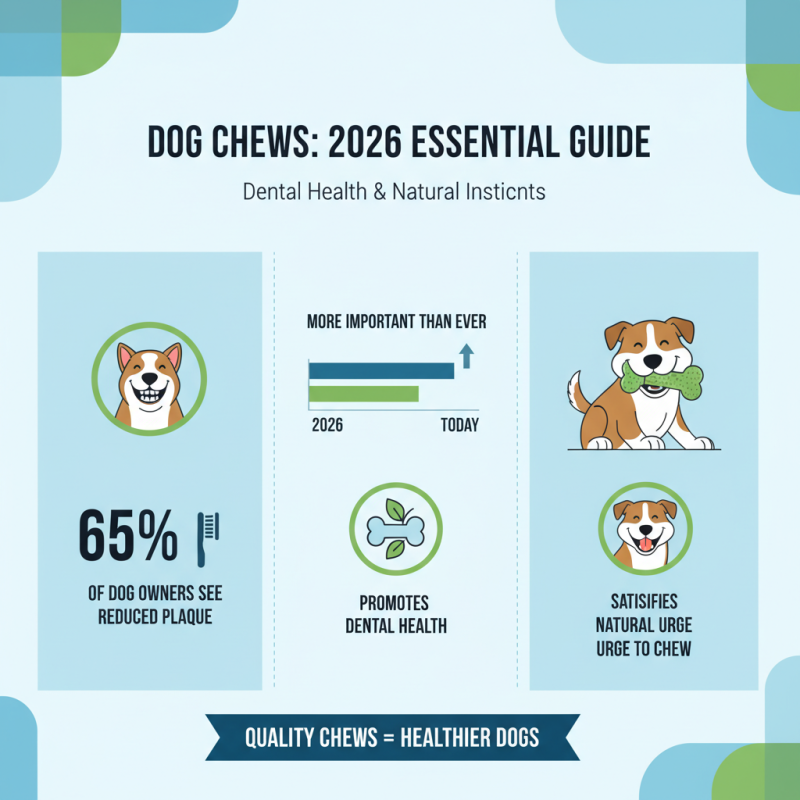
In 2026, choosing the right dog chew tail is more important than ever. These products promote dental health and satisfy a dog's natural urge to chew. According to industry reports, about 65% of dog owners notice reduced plaque when their pets chew appropriately designed products. This highlights the need for quality chews in your dog's routine.
When selecting a chew tail, consider the material. Natural options tend to be safer and healthier. A survey showed that 70% of veterinarians recommend natural chews over synthetic ones. However, not all natural products are equal. Some can splinter or cause choking, leading to concerns. Customer feedback often highlights issues with durability. Dogs may destroy some chews within minutes.
Ultimately, dogs vary in their chewing styles. A product that's perfect for one breed may not suit another. Monitoring how your dog interacts with different types of chew tails is essential. Regular assessment can help you identify what works best. Chewing should be a safe and enjoyable experience, not a source of stress.